Purpose-Built Workflow App
Private Medical Practice
Workflow automation for a solo Respiratory Therapist managing patient assignments from a phone, now with an AI agent that makes the calls.
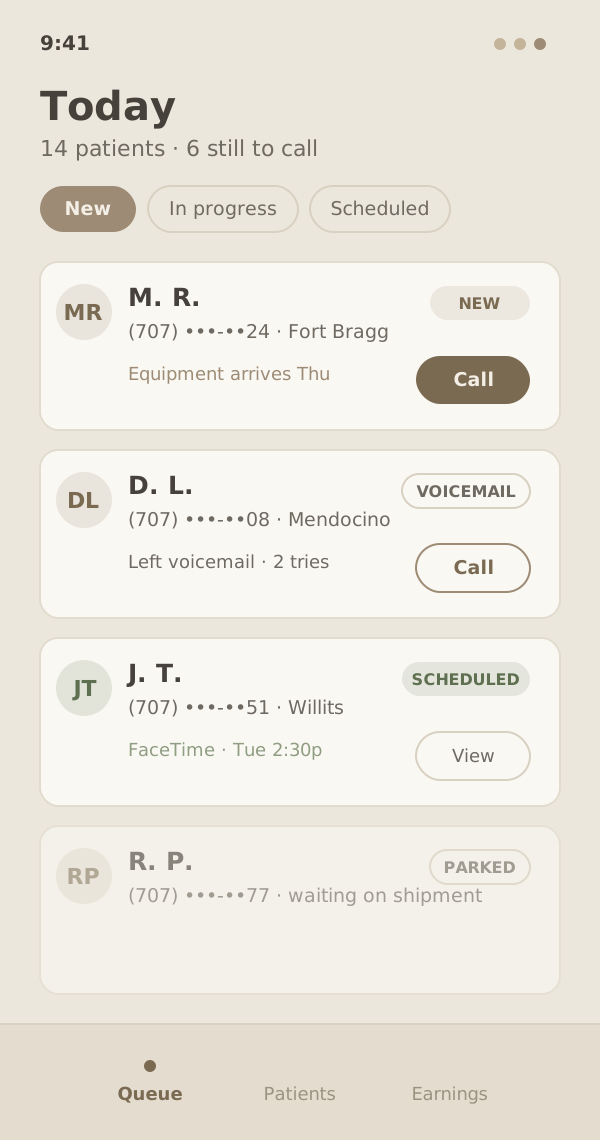
A solo Respiratory Therapist managing 10 to 20 new patients a day. Calling each one, scheduling a video setup session, sending the link, reporting the outcome back to the company that referred them. He was running it all from his inbox and his memory. The work of tracking patients competed with the work of caring for them.
The practice
An independent RT practice focused on CPAP equipment setup. The critical first appointment that decides whether a patient actually succeeds with their therapy. Assignments arrive from a referral partner twice a day, each one a name, a cell number, and a short window to make contact. Miss the window, miss the patient. There's no front desk. No admin. Just his phone, between calls, all day.
The problem
Assignments came in by email with no consistent format. Pulling out names and numbers meant reading every one by hand. Call history lived in a notes app, or nowhere. Knowing who needed a link sent that morning meant scanning back through a calendar. Three missed calls and a patient times out. A declined assignment, and a referral partner who notices. Every outcome had to be re-entered by hand into the partner's portal at the end of the day. The system wasn't broken. It just didn't exist.
What we built
A mobile-first app that runs the full patient lifecycle from one screen.
Gmail is scanned automatically, morning and afternoon. AI reads each new assignment, whatever the format, and pulls the patient's name, cell, landline, email, location, and equipment tracking numbers. Patients land in a glanceable dashboard, ranked by who to call next.
Each card tracks every touch point with one tap. Didn't pick up. Left voicemail. Sent text. Picked up. On a connected call he picks a time, chooses FaceTime or Zoom by the patient's phone, and the calendar event writes itself. Reminder emails go out on their own, the day before and an hour before, with the Zoom link already inside. Patients who are out of town or waiting on a lost shipment get parked, then resumed later. Not lost.
Two things turned out to matter more than expected.
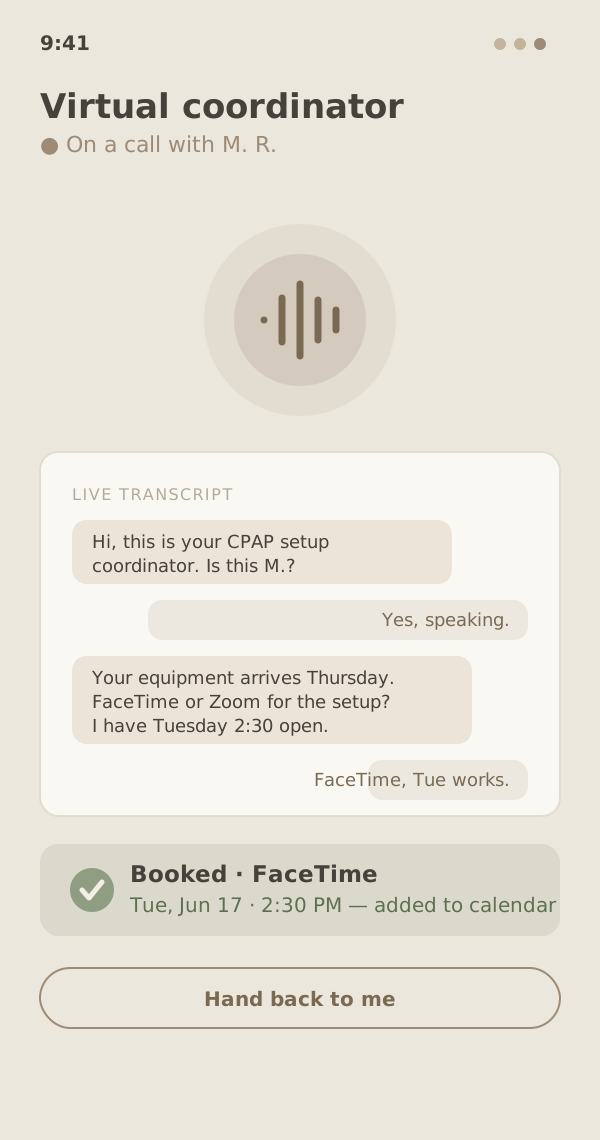
An optional AI voice agent. One tap hands off the call entirely. A virtual coordinator dials the patient, confirms their identity, tells them when their equipment is arriving, asks FaceTime or Zoom, offers open times, and books straight into the calendar. Then it logs the call like any other, so nothing is hidden. If the patient needs a person, it hands cleanly back to the RT.
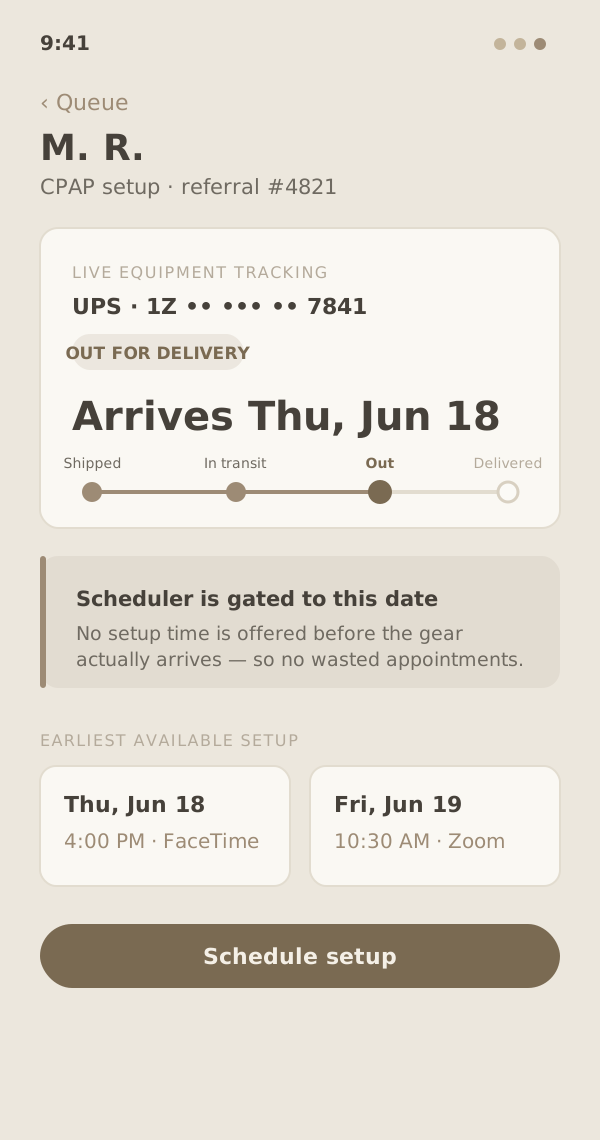
Live equipment tracking. Each card shows the real UPS or USPS delivery date. The scheduler never offers an appointment before the gear actually arrives.
The app also closes the loop with the referral partner. A running checklist of every outcome still owed, with a one-tap prefilled form per patient. End-of-day reporting stops being a memory exercise. A separate earnings view tracks completed appointments and what the month is on pace to earn.
What changed
Every patient has a logged status. Every attempt is timestamped. Declining after three no-answers is one tap, not a judgment call. Calendar events and reminder emails send themselves. The AI agent can clear a batch of first calls before he's even looked at the queue. Equipment ETAs, reminders, and partner reporting all happen without a checklist to remember. At a glance: who's new, who's in progress, who's scheduled, who's delayed, who's been declined, and why.
“Nothing falls through. Nothing needs to be remembered.”