Back-Office Automation
Mendocino Soup Company
Back-office automation for a small food business running three channels from a single kitchen.
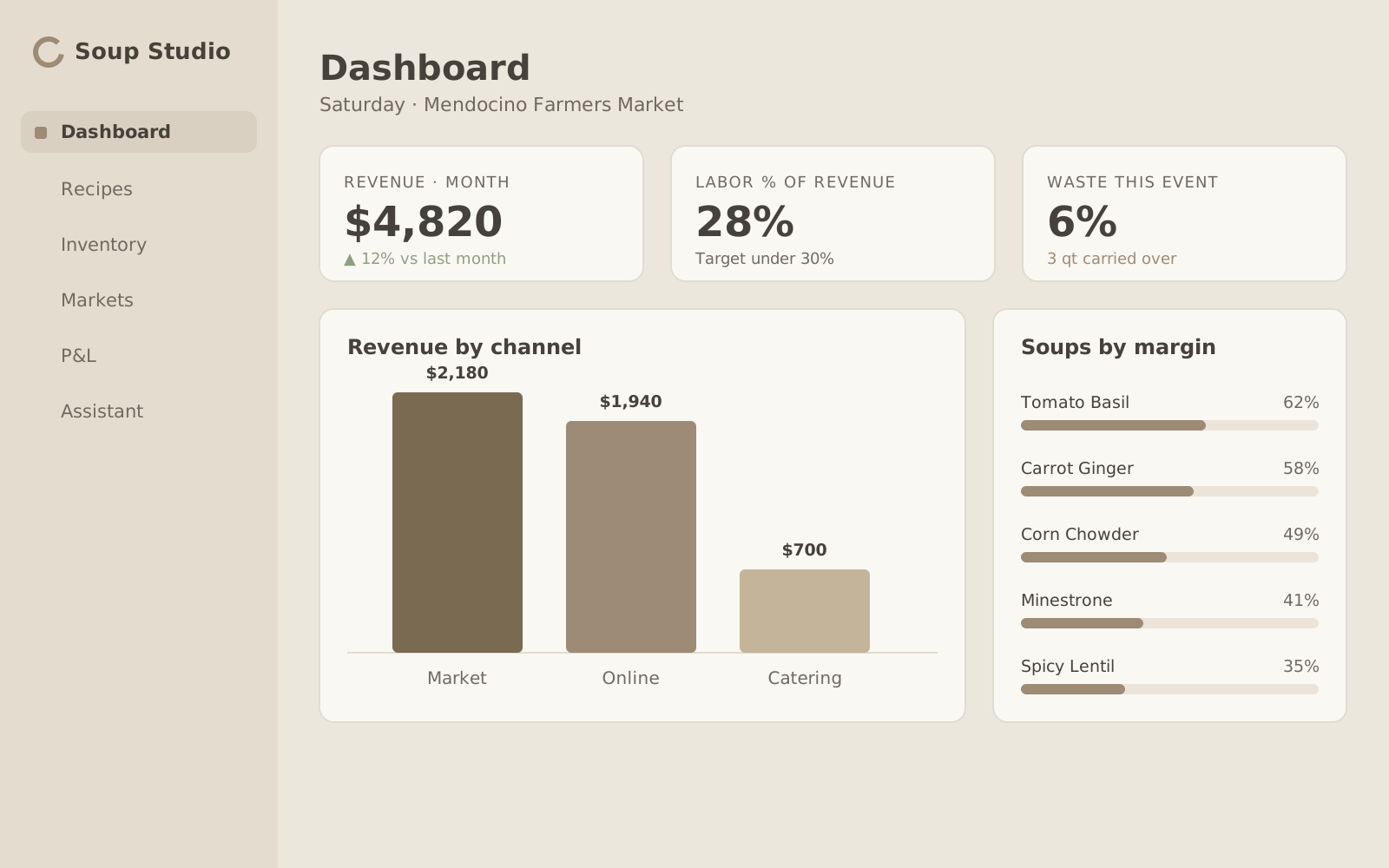
A soup company on the Mendocino Coast. Farmers markets, online orders, and a catering channel getting started. Christian makes organic, locally sourced soups and sells them across all three. He's the cook, the buyer, the bookkeeper, and the person at the stall. Pricing was guesswork. Every spreadsheet was behind. No clear picture of what anything cost to run.
The problem
Without knowing what each soup actually costs to make, pricing is intuition at best. Without margin clarity across products, you push what you like making rather than what the business needs you to sell. Without a consolidated view of revenue across channels, a busy month and a good month look identical. And soup is perishable. Every unsold quart is margin poured down the drain, but nothing was tracking it.
What we built
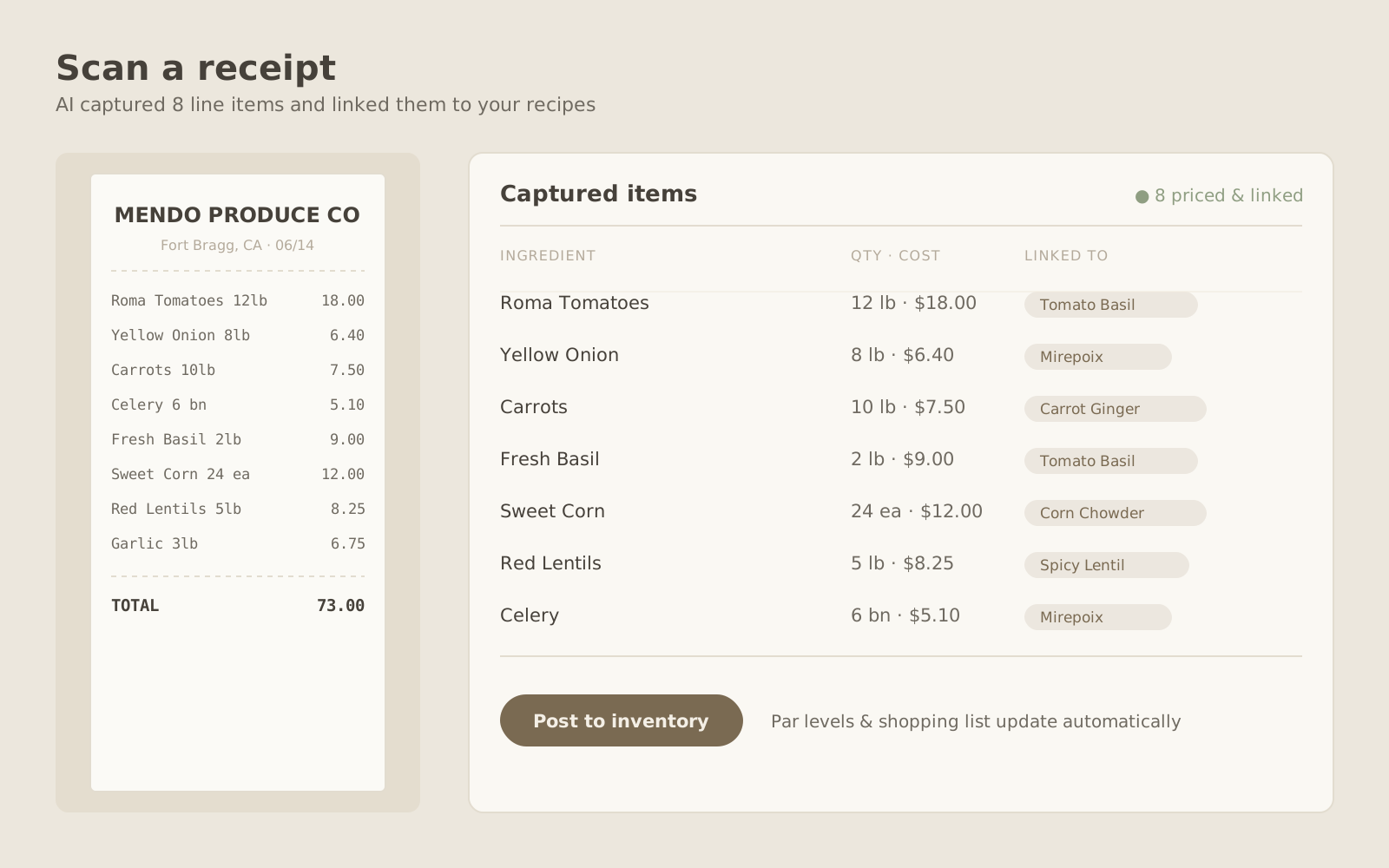
A single, private web app that replaced every spreadsheet and connected every part of the operation. It's called Soup Studio. Photograph a receipt and AI captures every line item, prices it, and links it to the soups that use it. Recipes parse from paste, photo, or URL and scale with live ingredient costs. Inventory builds itself. Receipts post quantities to a running ledger, par levels flag what's low, and the market shopping list already knows what to buy and what's covered. Cash, Venmo, and Squarespace roll up into one P&L. Online orders count against what was cooked, so they stop reading as waste. Leftovers from one market surface as one-click carryover on the next, so back-to-back events don't trigger a needless re-cook. After the event, revenue's in the dashboard before the drive home is over.
What changed
Christian now knows which products are strong enough to anchor an event and which need attention. Not by feel. By the numbers. Labor cost relative to revenue is the number that matters most for a one-person shop, and it's finally visible. Waste is measured instead of guessed, and carryover keeps good soup from getting re-made. Staff can be invited with a link to log their own hours. A built-in assistant answers questions about how anything works.
What's still being built
Soup Studio grows with the business. On the roadmap: closing the cooking-to-inventory loop so on-hand reflects reality automatically after each event, price history that tracks a trend instead of last-receipt-wins, a break-even progress tracker, an inn and hotel pre-order channel, and a catering quote tool. We stay on as partners, not vendors who hand off a product and disappear.
“Less time in the books. More time in the kitchen.”
Soup Studio is live at ops.mendosoupco.com